
March 2023

Short-Term Disability

Why You Need Short-Term Disability Insurance as a USPS Employee

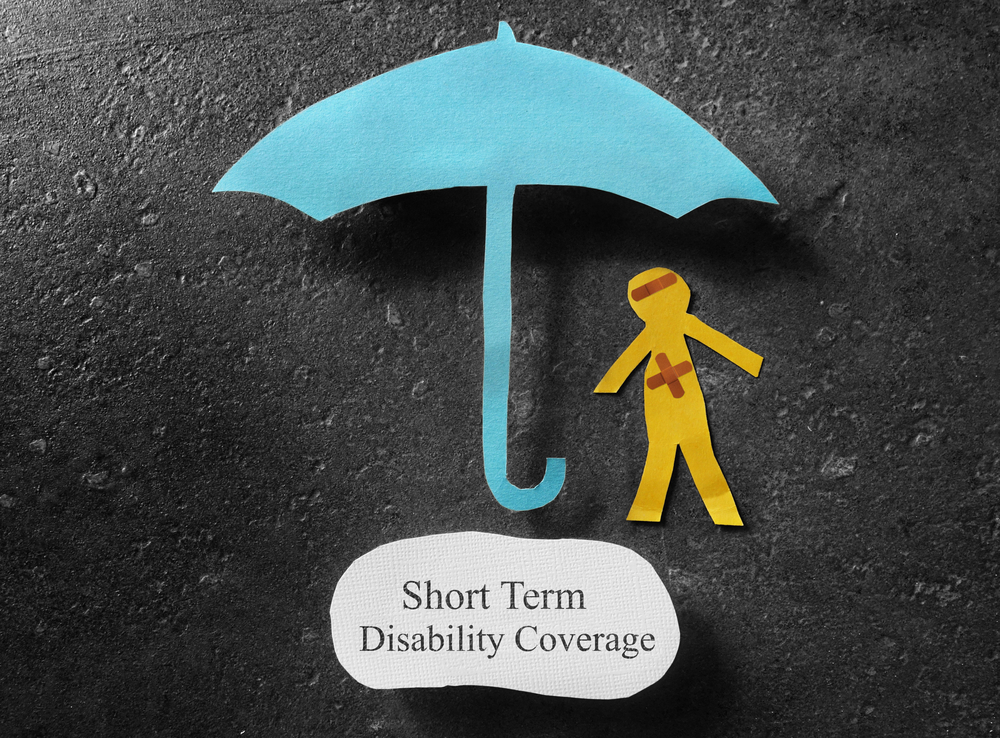
If you lose your ability to work because of a covered sickness or injury, short-term disability insurance can replace your income for a brief period. If you work for USPS and suffer from a covered condition or sickness, short-term disability insurance may be able to safeguard your finances if you find yourself unable to operate as you usually do. This is why you need this coverage.

The Eligibility Criteria

As a USPS employee, to qualify for short-term disability insurance, you normally must have worked for the company for a specific time and made contributions to the plan. Depending on the regulation and the state where you work, the specific criteria may change.

Nonetheless, the following are some standard general qualifying requirements for short-term disability insurance:

  • Your Employment Status: You must be a Postal employee in good standing who works a minimum of 20 hours per week.
  • Waiting Time: Before you can claim benefits, there can be a waiting time. This waiting time might be anywhere between 14 and 30 days.
  • Medical Condition: You may live through a medical issue that keeps you from working.
  • Impairment duration: The disability must be anticipated to endure somewhere between a few days and six months.
  • Doctor’s certification: You can be asked to submit a medical expert’s certification attesting to your impairment.

As mentioned earlier, it is crucial to keep in mind that each plan may have distinct eligibility conditions, so it is best to study the plan documentation or get in touch with your employer’s benefits coordinator to verify the short-term disability insurance eligibility requirements.

The Coverage

The tenure of benefits under short-term disability insurance is normally up to six months, however, this might change depending on the policies. The policy will reimburse you a percentage of your salary during this period, often at a rate between 50% and 100%, based on the policy.

  • Partial earnings replacement: Short-term disability insurance is intended to substitute your income if you become disabled and is unable to work as a result. Under the plan and your pay, the amount you receive as a substitution may change.
  • Coverage period: Short-term disability insurance normally provides coverage for a maximum of six months; however, the precise length of coverage can differ according to the policy.
  • Medical condition coverage: A broad range of medical problems, such as infections, accidents, and operations, are frequently covered by short-term disability insurance. Based on the initial set plan, the particular situations covered may change.

Conclusion

If you get a covered sickness or injury that prevents you from working, short-term disability insurance can be able to offer important financial protection. While you’re recovering, it might assist you in fulfilling your financial commitments and paying your expenses. As a USPS employee, if you’re considering obtaining short-term disability insurance, you should talk to your employer or a trusted insurance agency such as Postal Life and Disability Plans to discover more about your alternatives and the intricacies of the policy.

Don’t wait around, get Short-Term Disability Insurance coverage today!

Everything You Need To Know About USPS Employee Life Insurance

Like any other employee, postal workers have the option of getting life insurance to safeguard their loved ones financially in the case of an early death. The specified beneficiaries of a life insurance policy might get a lump amount of money that can be used to pay for expenditures like funeral charges, loan repayments, and other financial obligations.

Via the Federal Employees’ Group Life Insurance (FEGLI) program, the United States Postal Service (USPS) provides life insurance coverage to its employees. This program offers qualified employees free basic life insurance coverage with the opportunity to obtain additional insurance.

About FEGLI Life Insurance

The employee’s base yearly salary (rounded to the next thousand) plus $2,000 is the amount of the standard life insurance coverage. Employee and USPS split the cost of this coverage, with Employee covering two-thirds and USPS covering the remaining one-third.

Employees can add extra coverage to the fundamental coverage up to five times their annual pay, or a maximum of $500,000. The level of coverage chosen and the employee’s age determine the cost of this plan. Via the FEGLI program, employees can also choose to get coverage for their spouse and dependent children; however, the employee is solely responsible for the cost of this coverage.

It is important to take into account that only USPS workers who have accrued one year of working experience and are registered in the Federal Employees Retirement System (FERS) or the Civil Service Retirement System (CSRS) are eligible for FEGLI coverage.

2 Other USPS Employee Life Insurance Options

In the case of unplanned calamities, USPS Employee Life Insurance offers vital protection to employees and their families. Staff members must comprehend their insurance possibilities and make knowledgeable judgments concerning their life insurance requirements.

Therefore, here are some other options for USPS employees if they don’t meet the FEGLI criteria or if they are just looking for life insurance coverage:

  • Optional Life Insurance: Postal workers are given the choice of enrolling in Optional Life Insurance in addition to Basic Life Insurance, which enables them to acquire additional protection up to five times their annual basic income. The cost of the employee’s optional life insurance depends on their age and the level of coverage they want.
  • Family Life Insurance: USPS also covers family life insurance, which covers the spouse and dependent children of an employee. The coverage limits vary from $2,500 to $12,500 for each dependent kid and from $5,000 to $25,000 for a spouse.
  • Accidental Death and Dismemberment (AD&D) Insurance: Employees of the US Postal Service have the option of enrolling in AD&D Insurance, which offers protection in the case of accidental death or dismemberment. Based on the employee’s pay and the level of coverage they pick; the protection levels can range from $10,000 to $500,000.

Conclusion

You can be qualified for group life insurance rates as a USPS employee, which is normally less expensive than standard rates. You may lock in a reduced premium rate by obtaining life insurance while you are still in good health. Therefore, secure your coverage today and anticipate a better future.

Scroll to Top